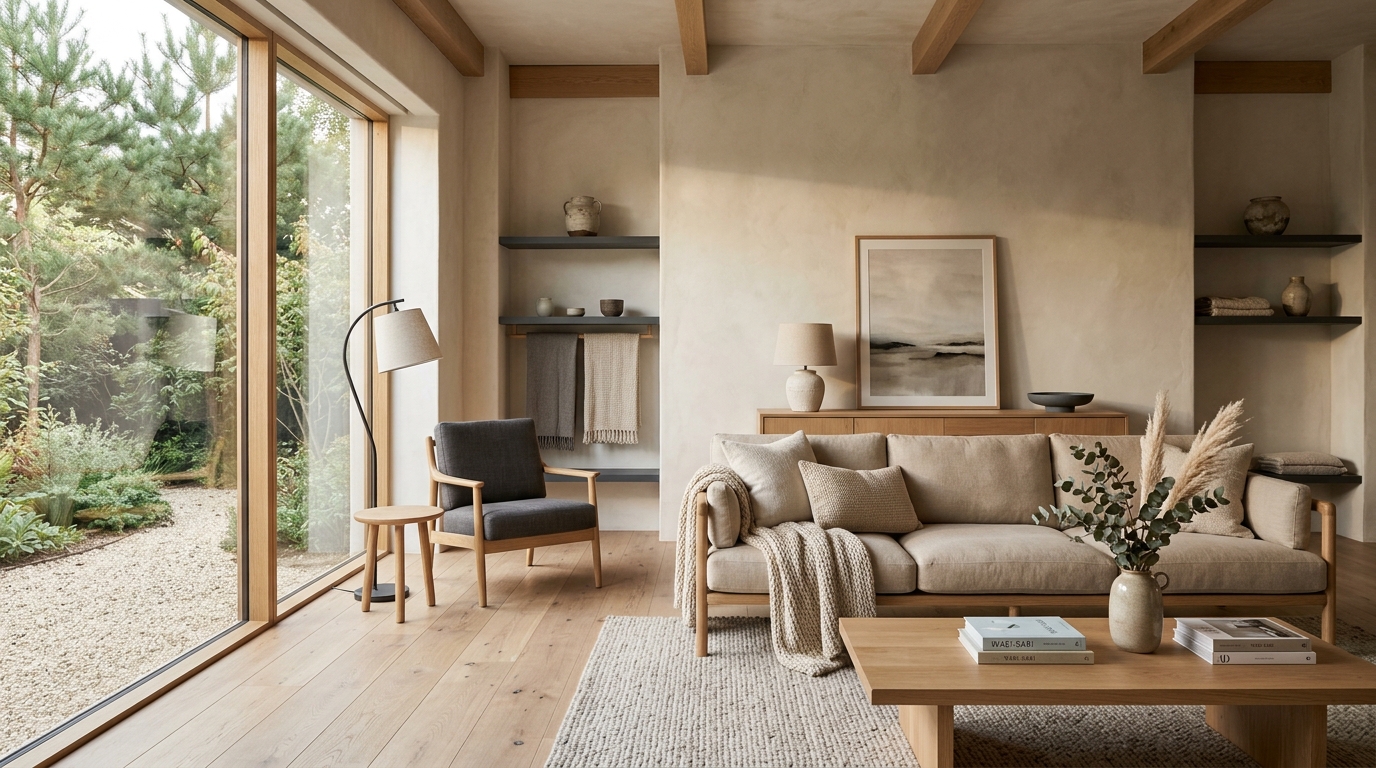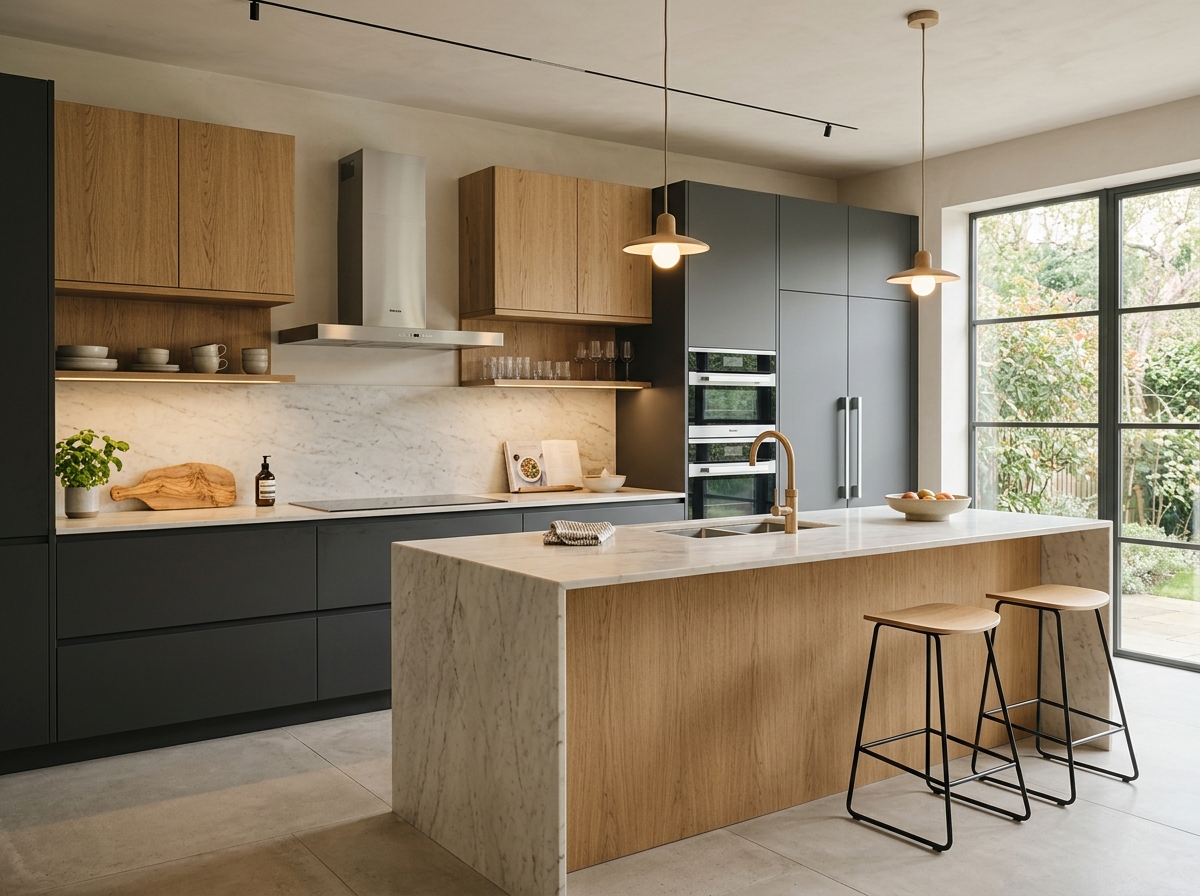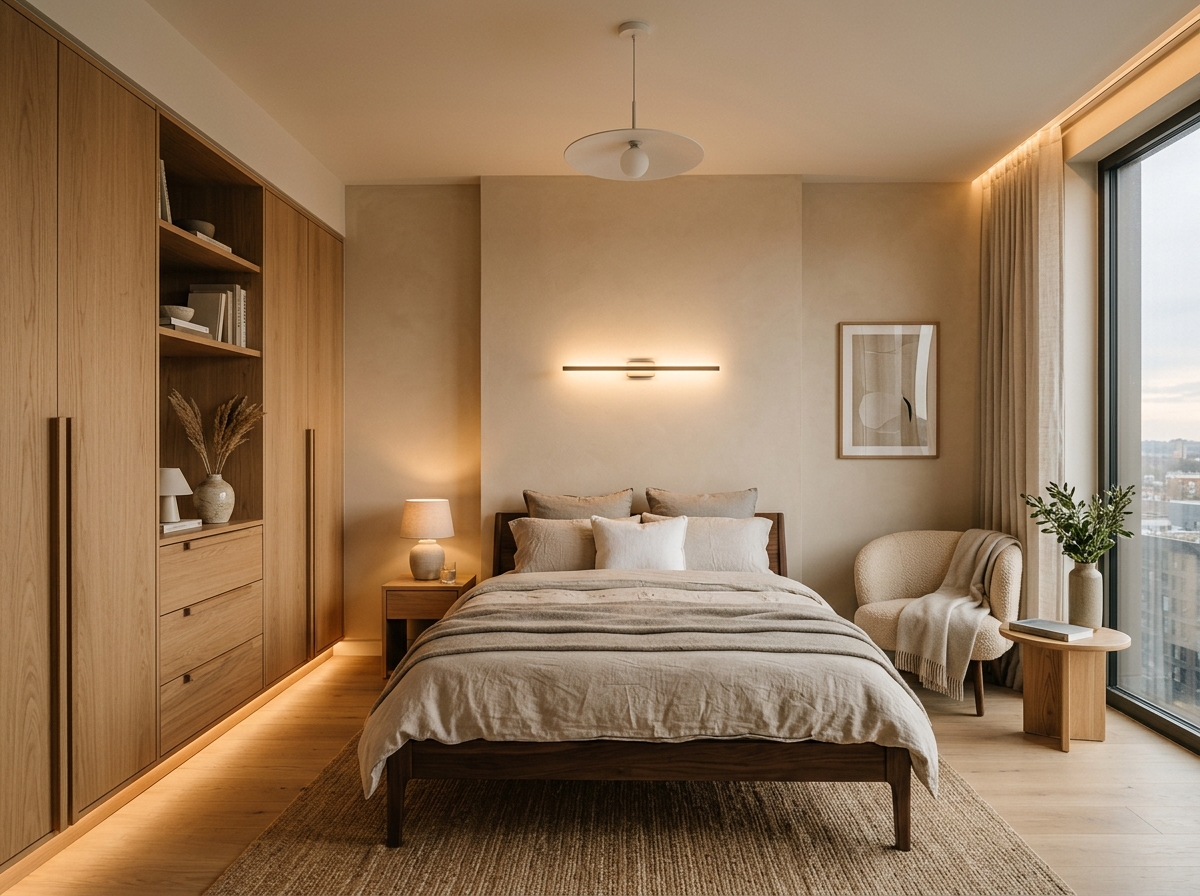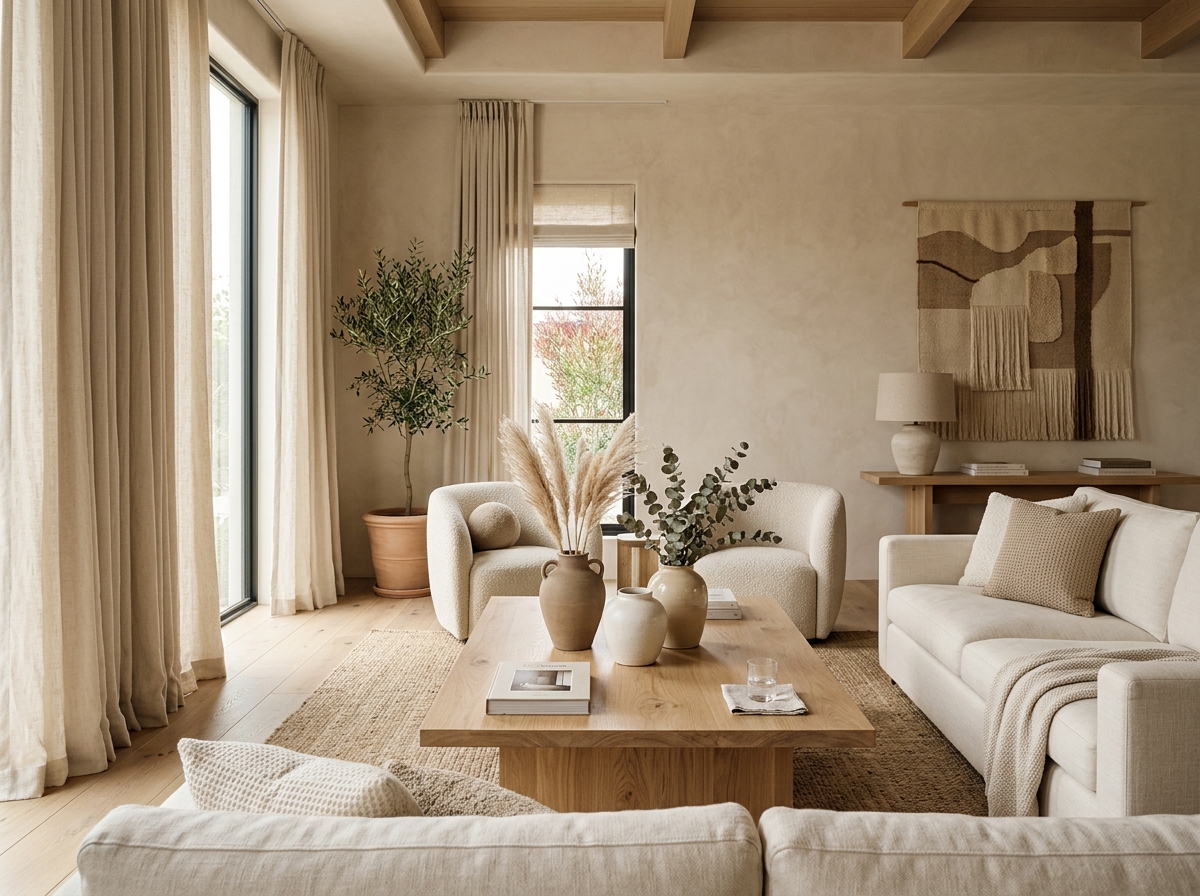
Designing a home is much more than selecting finishes or matching fabrics. It is a process of translating daily routines into functional, physical space. A considered home responds to the way you live—where you place your keys, how light enters your bedroom in the morning, and where the family gathers.
Start with Spatial Flow
Before thinking about colors, focus on layout. How do you move from the entryway to the kitchen? Is there a clear path, or are you navigating around furniture? Good planning respects the rhythm of movement. Keep high-traffic corridors wide and clear.
Integrated Storage
Storage should never feel like an afterthought. Built-in, concealed storage that disappears into partition walls keeps spaces calm and clutter-free. Plan storage exactly where it is needed—near entryways, under stairs, or integrated into bed frames.
Materiality and Longevity
Choose materials that offer tactile warmth and long-term value. Natural materials like solid wood, stone, and linen age with grace, picking up character over time instead of looking worn out.